
Would you like to be kept up to date about STORZ MEDICAL?
Here you can find the latest news about our non-invasive technologies, congress activities and other projects.
Discover why we have been one of the leading companies in the field of Extracorporeal Shock Wave Lithotripsy (ESWL) and Extracorporeal Shock Wave Therapy (ESWT) for more than 30 years and deepen your knowledge about our latest technologies – Extracorporeal Magnetotransduction Therapy (EMTT) for the treatment of musculoskeletal disorders.
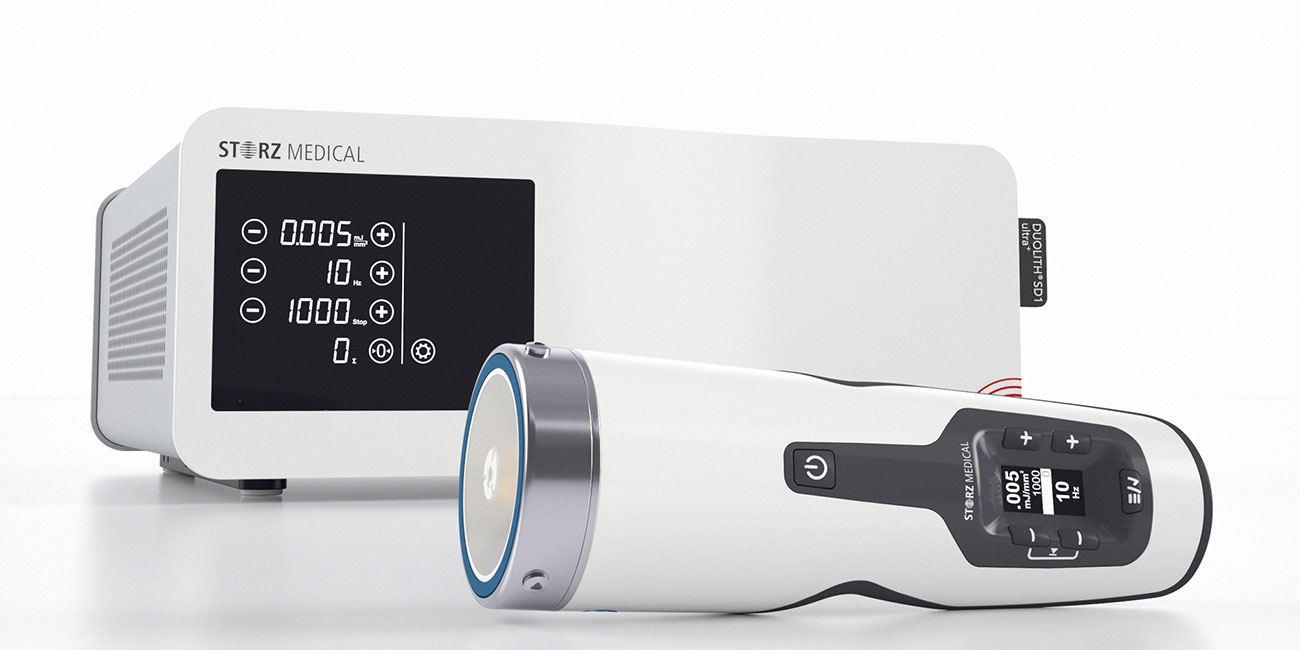
Extracorporeal shock wave therapy (ESWT) is used as a complementary, non-invasive treatment option in orthopaedics, sports medicine and other fields. Anyone wishing to expand their range of services to include focused shock wave therapy is faced with the question of how to integrate the technology seamlessly into their treatment workflow.

For complex wounds, focused shock wave therapy can complement veterinary treatment as part of a multimodal approach. This is illustrated by a case documented by rehabilitation specialist Kirsten Häusler involving a female German Shepherd that developed an open wound in the area of the tarsal joint while a toe fracture was being treated with a splint.
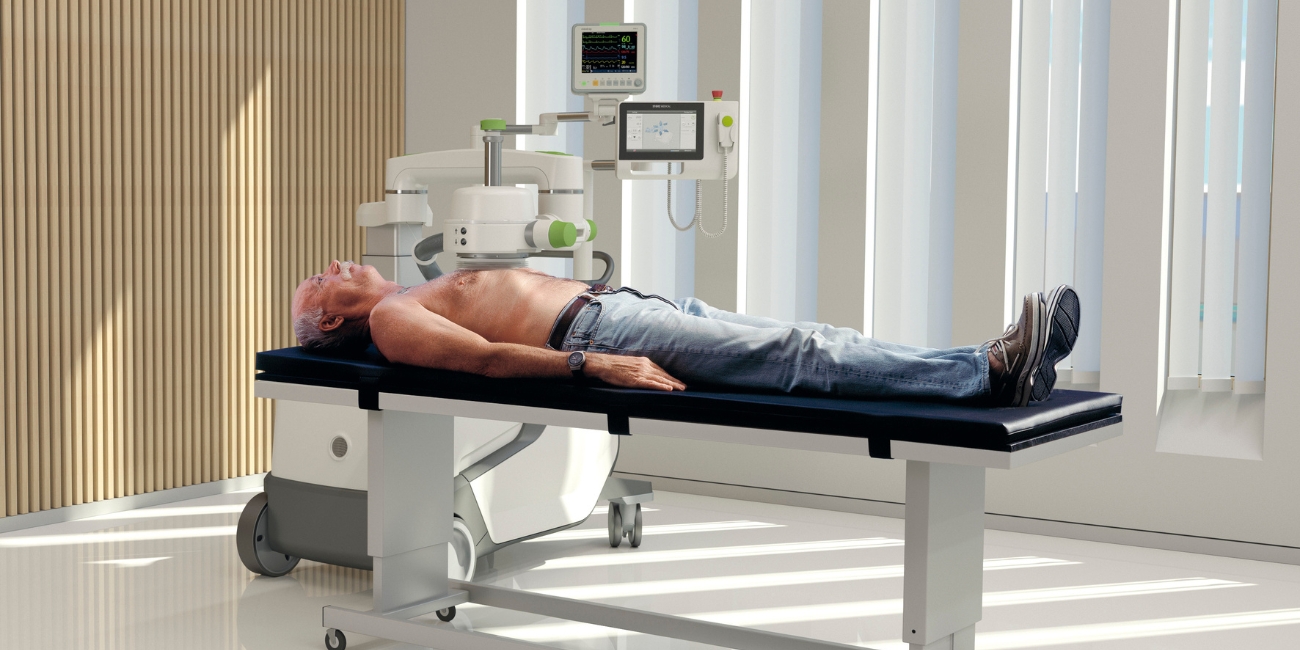
Coronary heart disease (CHD) affects a large number of patients. Their survival period with the condition is relatively long. Currently, reperfusion therapies such as medication, thrombolysis, percutaneous coronary intervention (PCI), and coronary artery bypass grafting (CABG) can improve symptoms and reduce mortality in patients with CHD.
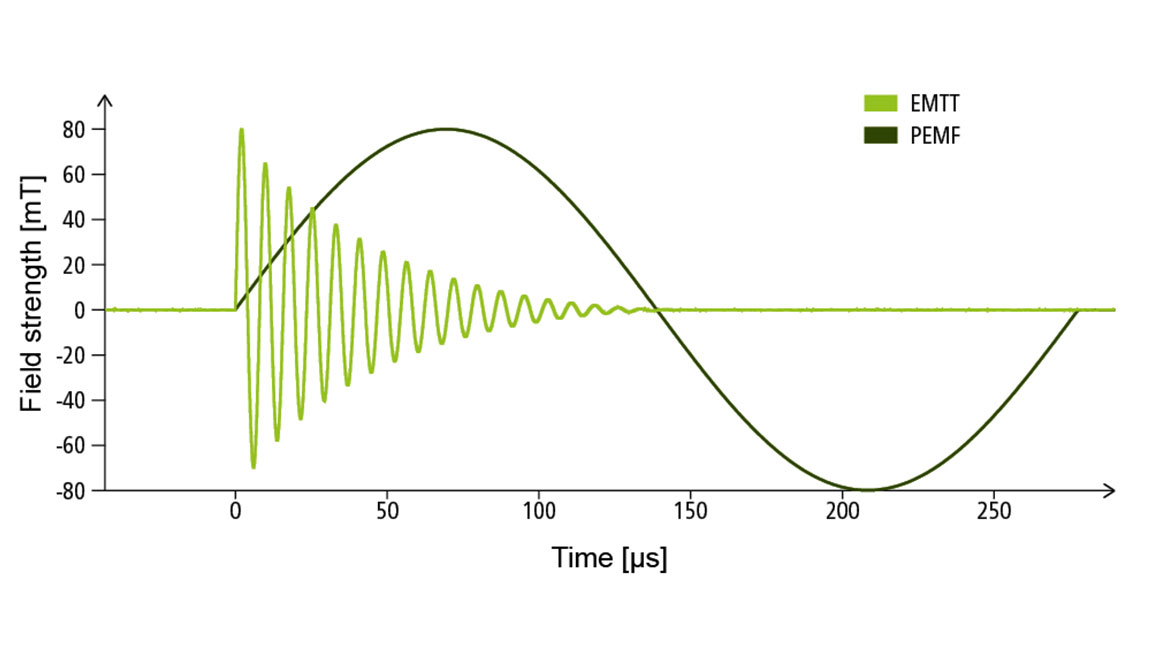
Technical and clinical differences in musculoskeletal disorders
Pulsed electromagnetic field therapy (PEMF) and Extracorporeal Magnetotransduction Therapy (EMTT) are often grouped together under the general term »magnetic therapies«. Both therapy approaches are used in clinical areas such as orthopaedics, sports medicine, physiotherapy and pain management, particularly in the context of musculoskeletal disorders.
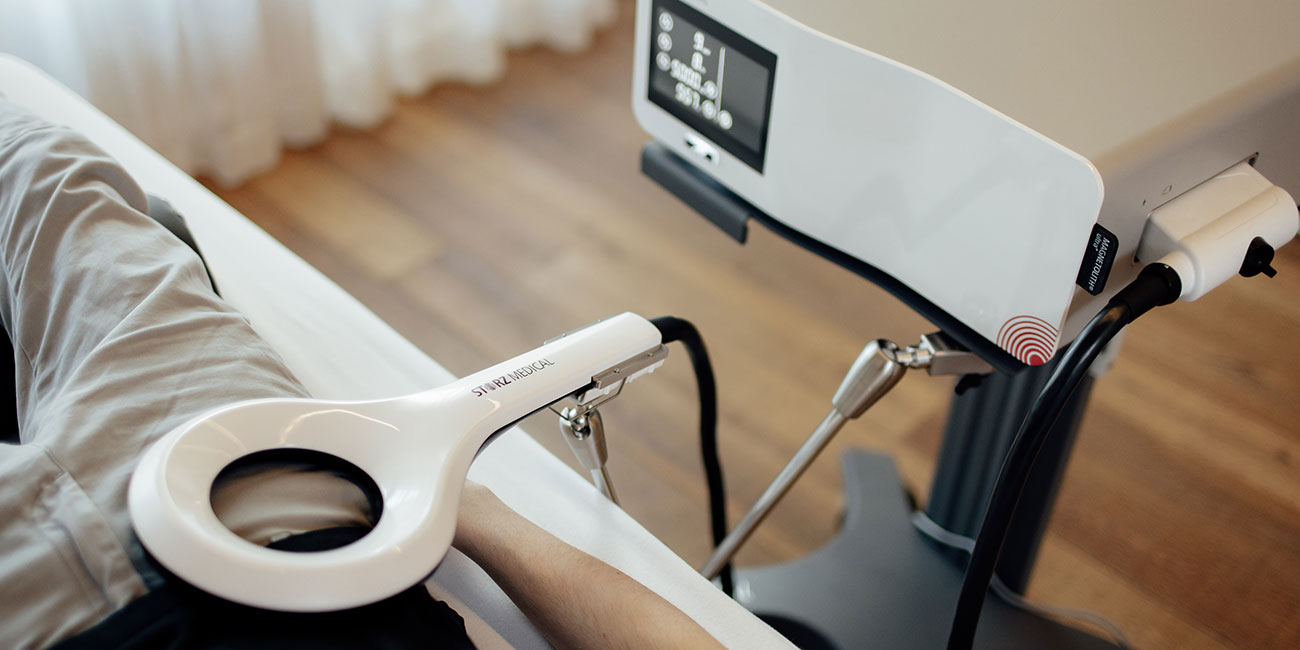
Osteoarthritis, back pain or tendinopathy: Musculoskeletal conditions can significantly impair quality of life. Extracorporeal magnetic transduction therapy (EMTT) offers a state-of-the-art, non-invasive treatment option that is used for a range of musculoskeletal complaints.

A guest article by Kirsten Häusler, small animal rehabilitation specialist
Fractures in dogs, cats and other small animals are among the most common orthopaedic problems encountered in veterinary practice. With proper treatment, a fracture usually heals within a few weeks. However, this process does not always run smoothly. Delayed healing can result in prolonged pain, reduced mobility and, in the worst-case scenario, even the amputation of a limb for the animal.
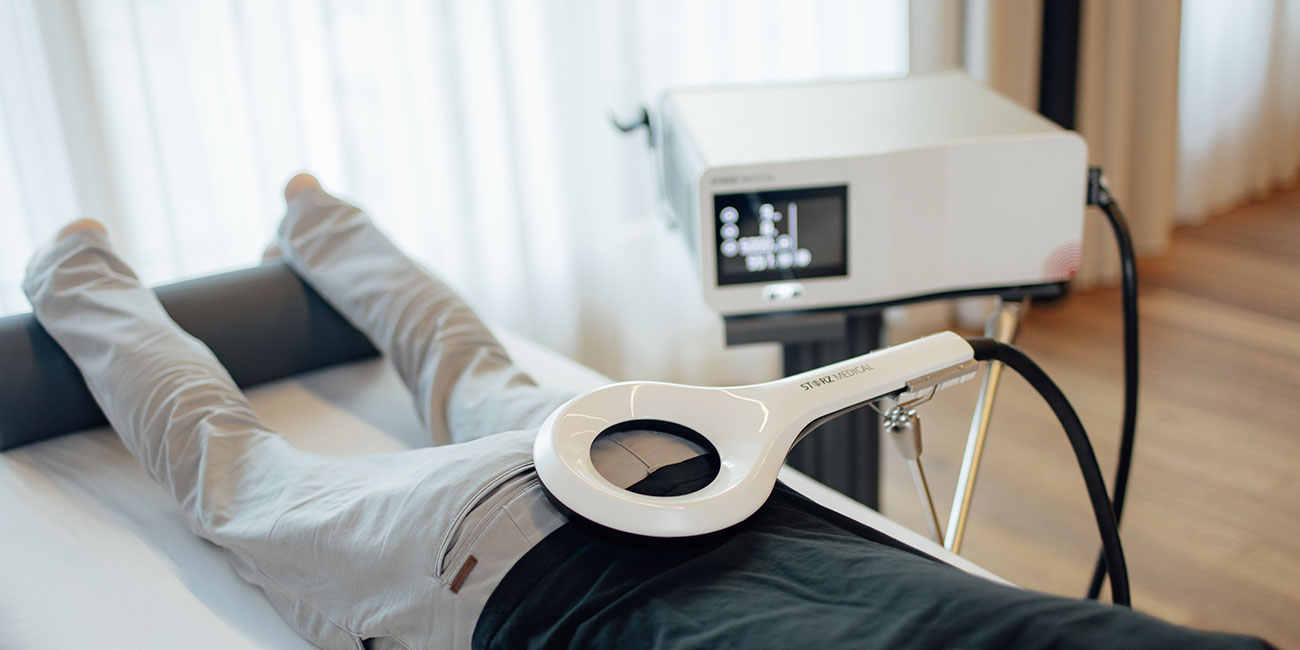
Musculoskeletal disorders are the most common cause of pain worldwide. Extracorporeal Magnetotransduction Therapy offers doctors and patients a state-of-the-art treatment option based on the latest scientific findings. Discover what makes EMTT unique, including its mode of action and patient-centred approach.
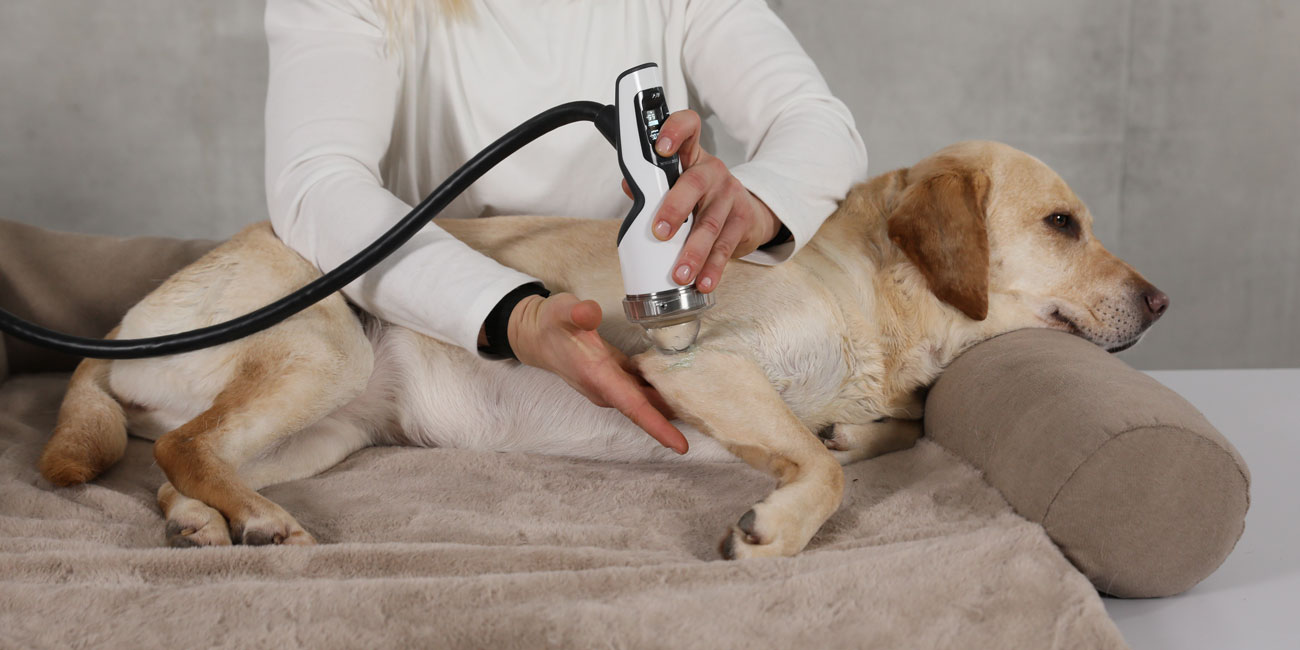
How STORZ MEDICAL brings human medical expertise into veterinary care
Shock wave therapy has become an established treatment option in human orthopaedics and rehabilitation. With decades of experience in medical technology, STORZ MEDICAL AG has helped shape this field and brings its expertise into veterinary medicine, where the technology is increasingly used as a non-invasive approach to support recovery in animals.
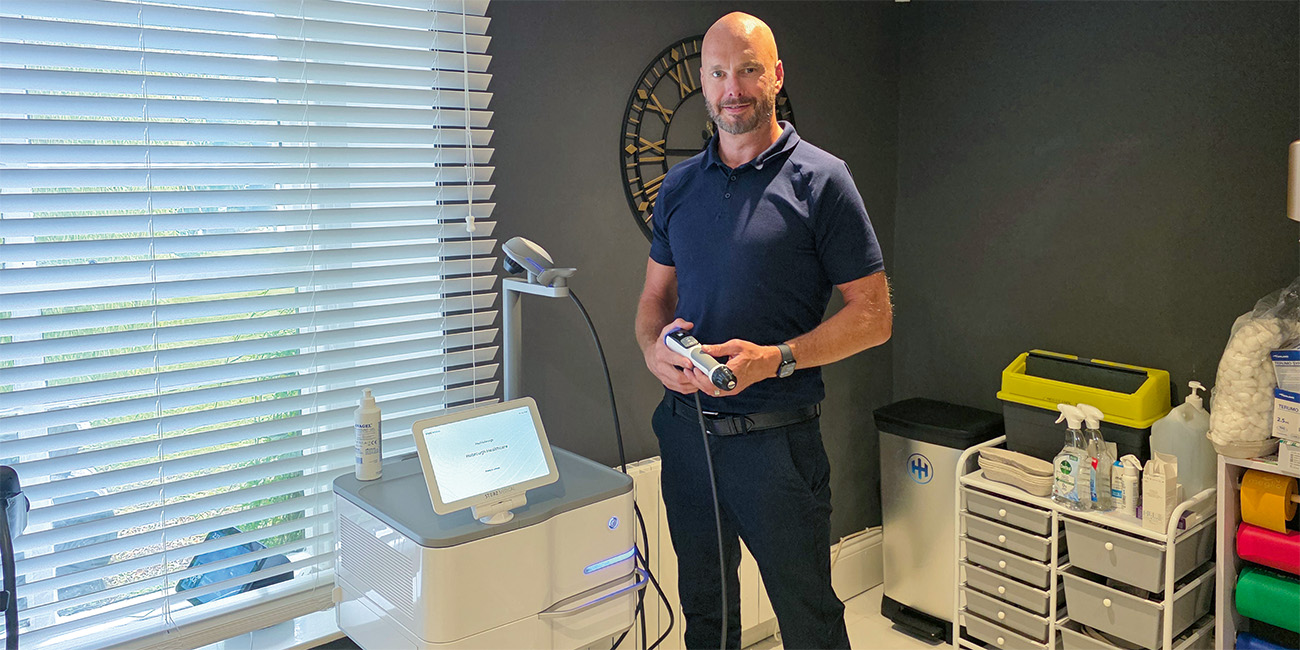
Physiotherapist Paul Hobrough has worked with focused and radial shock wave systems for many years in elite sport and complex musculoskeletal practice. He teaches internationally, mentors clinicians worldwide, and was one of the first clinicians globally to receive the new MASTERPULS® icon system in clinical practice.

Current state of research and perspectives for patients
The treatment of neurodegenerative diseases poses major challenges for patients, their families, and the medical community. In addition to pharmacological therapies, non-invasive, complementary approaches are therefore gaining increasing importance. One of these approaches is Transcranial Pulse Stimulation (TPS), which has already been used in patients with Alzheimer’s disease.
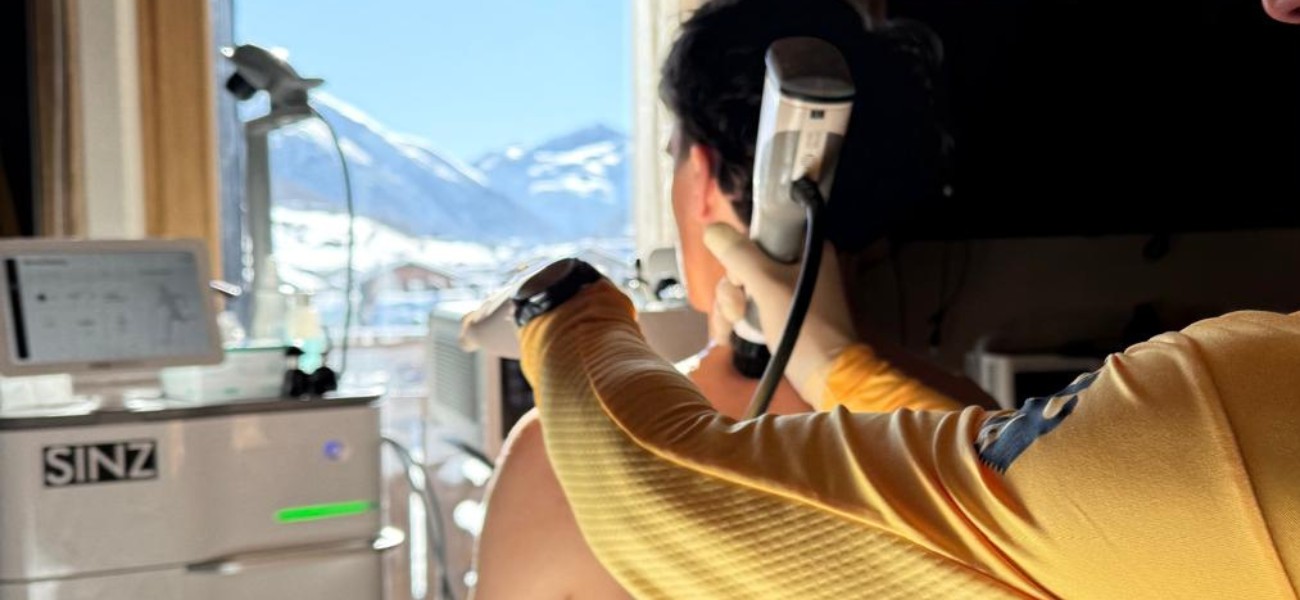
Major international winter sports events represent an exceptional situation – for athletes as well as for the medical team. Right in the middle of it all: Dr Sebastian Sinz, sports physician and team doctor of the German freestyle snowboarders. On site in Livigno: MASTERPULS® R-SW100, MASTERPULS® icon, DUOLITH® SD1 T-TOP »ultra« and MAGNETOLITH® ultra+.

Whether it's climbing stairs, shopping, or sleeping through the night – for many people with knee, shoulder or back pain, these simple things are associated with discomfort. Chronic musculoskeletal symptoms are one of the most common causes of limitations in everyday life and a reduced quality of life.